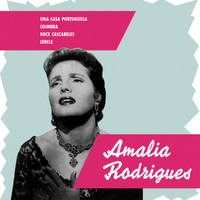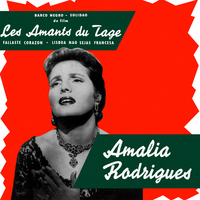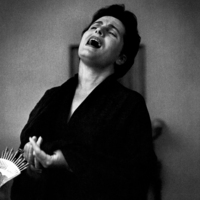
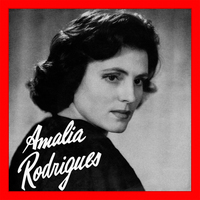
Amália Rodrigues
Amália da Piedade Rebordão Rodrigues (1920–1999) was a Portuguese singer and actress. Born in Lisbon, Portugal, official documents have her date of birth as the 23rd July, but Rodrigues always said her birthday was the 1st July 1920. She was born in the rua Martim Vaz (Martim Vaz Street), freguesia of Pena, Lisbon. Her father was a trumpet player and cobbler from Fundão who returned there when Amália was just over a year old, leaving her to live in Lisbon with her maternal grandmother in a deeply Catholic environment until she was fourteen, when her parents returned to the capital and she moved back in with them. She was known as the "Rainha do Fado" ("Queen of Fado"), and was most influential in popularising fado worldwide. She was unquestionably the most important figure in the genre’s development, by virtue of an innate interpretive talent carefully nurtured throughout a forty-year recording and stage career. Rodrigues' performances and choice of repertoire pushed fado’s boundaries and helped redefine it and reconfigure it for her and subsequent generations. In effect, Rodrigues wrote the rulebook on what fado could be and on how a female singer - or fadista - should perform it, to the extent that she remains an unsurpassable model and an unending source of repertoire for all those who came afterwards. After a few years of amateur performances, Rodrigues’ first professional engagement in a fado venue took place in 1939, and she quickly became a regular guest star in stage revues. There she met Frederico Valério, a classically-trained composer who, recognising the potential in such a voice, wrote expansive melodies custom-designed for Rodrigues’ voice, breaking the rules of fado by adding orchestral accompaniment. Her Portuguese popularity began to extend abroad with trips to Spain, a lengthy stay in Brazil (where, in 1945, she made her first recordings on Brazilian label Continental) and Paris (in 1949). In 1950, while performing at the Marshall Plan international benefit shows, she introduced "April in Portugal" to international audiences (under its original title "Coimbra"). In the early fifties, the patronage of the acclaimed Portuguese poet David Mourão-Ferreira marked the beginning of a new phase; Rodrigues sang many of the country's greatest poets, and some wrote lyrics specifically for her. In 1954, Rodrigues' international career skyrocketed through her presence in Henri Verneuil’s film The Lovers of Lisbon, where she had a supporting role and performed on-screen. By the late 1950s the USA, England, and France had become her major international markets (Japan and Italy followed in the 1970s); in France especially, her popularity rivalled her Portuguese success, and she graduated to headliner at the prestigious Olympia theatre within a matter of months. Over the years, she performed nearly all over the world, going as far as the Soviet Union and Israel. At the end of the 1950s, Rodrigues took a year off. She returned in 1962 with a richer voice, concentrating on recording and performing live at a slower pace. Her comeback album, 1962's Amália Rodrigues, was her first collaboration with French composer Alain Oulman, her main songwriter and musical producer throughout the decade. As Valério had before him, Oulman wrote melodies for her that transcended the conventions of fado. Rodrigues did not shy away from controversy: her performance in Carlos Vilardebó’s 1964 arthouse film The Enchanted Islands was better received than the film, based on a short story by Herman Melville, and her 1965 recording of poems by 16th century poet Luís de Camões generated acres of newspaper polemics. Yet her popularity remained untouched. Her 1968 single "Vou Dar de Beber à Dor" broke all sales records, and her 1970 album Com que Voz, considered by many her definitive recording, won a number of international awards. During the 1970s, Rodrigues concentrated on live work, and embarked upon a heavy schedule of worldwide concert performances. During the frenetic period after the 25th April 1974 she was falsely accused of being a covert agent of the PIDE, causing some trauma to her public life and career. (In fact, during the Salazar years, Rodrigues had been an occasional financial supporter of some communists in need.) Her return to the recording studio in 1977 with Cantigas numa Língua Antiga was received as a triumph. The 1980s and 1990s brought her enthronement as a living legend. Her last all-new studio recording, Lágrima, was released in 1983. It was followed by a series of previously lost or unreleased recordings, and the smash success of two greatest hits collections that sold over 200,000 copies combined. Despite a series of illnesses involving her voice, Rodrigues continued recording as late as 1990. She eventually retreated from public performance, although her career gained in stature with an official biography by historian and journalist Vítor Pavão dos Santos, and a five-hour television series documenting her fifty-year career, featuring rare archival footage (later distilled into the ninety-minute film documentary, The Art of Amália). Its director, Bruno de Almeida, has also produced Amália, Live in New York City (a concert film of her 1990 performance at New York City Hall). Rodrigues died on the 6th October 1999 at the age of seventy-nine in her home in Lisbon. Portugal's government promptly declared a period of national mourning. Her house (in Rua de São Bento) is now a museum. She is now buried at the National Pantheon alongside other Portuguese notables. 1946.
Biography from Last.fm, available under CC BY-SA.
Country: PT
Deathdate: 1999-10-06
Disambiguation: "Queen of Fado"
Gender: Female
Is Living: No
Albums
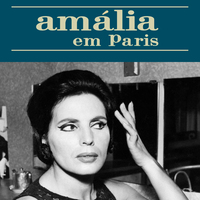 Amália em Paris2020
 Amália … canta Portugal2016
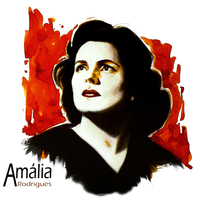 Património2009
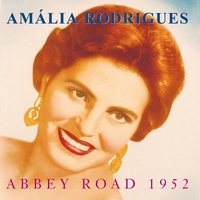 The Abbey Road Recordings2004
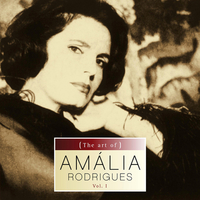 The Art of Amália Rodrigues1998
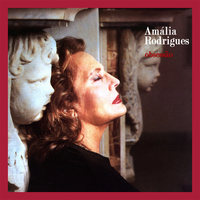 Obsessão1990
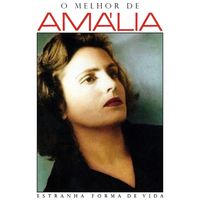 O melhor de Amália : Estranha forma de vida1985
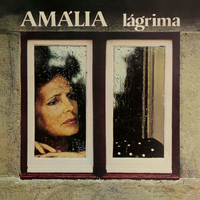 Lágrima1983
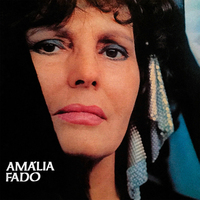 Fado1982
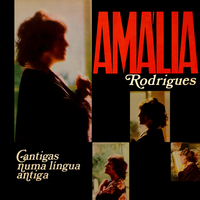 Cantigas numa língua antiga1977
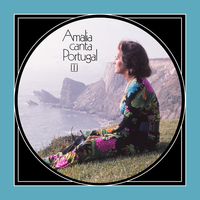 Amália canta Portugal III1972
 Encontro com Don Byas1972
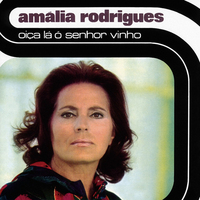 Oiça lá ó Senhor Vinho1971
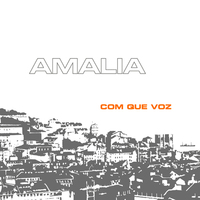 Com que voz1970
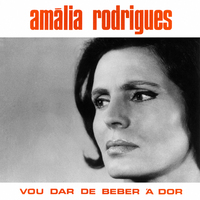 Vou dar de beber à dor1967
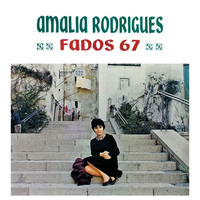 Fados 671967
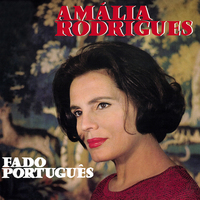 Fado português1965
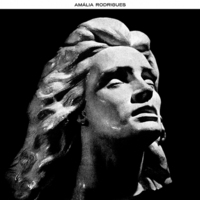 Amália Rodrigues1962
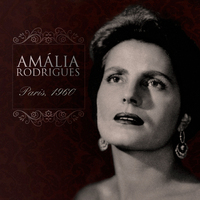 Paris 19601960
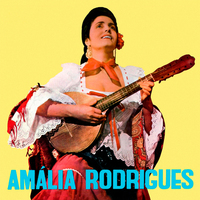 Amália Rodrigues1959
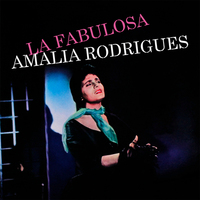 Amália Rodrigues1958
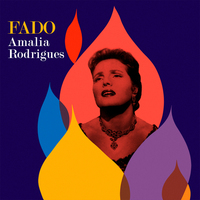 Amalia Rodrigues et ses guitaristes1958
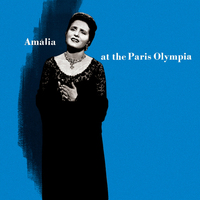 Amália à l'Olympia1957
 Amália Rodrigues, accompagnement de guitares1955
 Amália 1970: Ensaios2020Coimbra, Lisboa antiga, Uma casa portuguesa... and more Hits! (Remastered)2020Timeless Classic Albums2020Intégrale 1955 à 19622018Amália em Itália2017Coliseu - Lisboa, 3 de Abril 19872017Coimbra2017Que Dios nos perdone2016Someday: Amália Rodriguez e Norrie Paramor as sessões de 19652015Amália no Chiado2014Amália Rodrigues, La Reine Du Fado (Mono Version)2014Greatest Hits of Amália Rodrigues (Mono Version)2014For Your Delight2013Amália Rodrigues 1945-1957: A alma do país2012Fados Tradicionais (1952-1955)2012O melhor de Amália2011The Queen of Fado2011Amália canta David2011Amália Rodrigues Ao Vivo Café Luso 1955 - Olympia 1956 - Bobino 19602011Amalia. Królowa Fado2010Amália - Coração independente2009Amália sempre - colecção2009Amália nossa: Paixão2009Maldição2008Fados Clássicos Volume III2007Les Voix du soleil2006Fados clássicos, volume II2005Amália: Portugal2004This Is Gold2004Duas Luzes2004The Very Best of Amália Rodrigues2004O melhor de Amália - Volume III - Fado da saudade2003The Soul of Fado2002Amália Rodrigues & The History of Fado2002Fado Amalia2001Live at Town Hall2001Selection Amalia Rodrigues: A dama do fado2000En español2000O melhor de Amália, volume II: Tudo isto é fado2000Semplicemente il meglio1998Triste sina1998Segredo1997Amália Rodrigues1997Uma casa portuguesa /Ay, mourir pour toi / Fado Xuxu1997Ai chico, chico1996Fados e guitarradas au Portugal1995Enlightenment1995Tudo isto é fado1995Ses plus belles chansons1994O melhor dos melhores1994Fado Lisboeta1992Raizes1992Coimbra1992No Café Luso1992Cantigas da boa gente1992Fado es ... Amalia Rodrigues1990O Fado1990Amália 50 anos: Rara e Inédita198950 anos: internacional1989Amália 50 anos: Ao vivo1989Amália na Broadway1984Gostava de ser quem era1980Amália no Canecão (Rio de Janeiro)1976Amalia in Italia1974A una terra che amo1973Golden Record1973Cantigas D'Amigos1971Amália/Vinicius1970Fado...The Soul of Portugal1966Amália Rodrigues1958Amália Rodrigues Sings Fado From Portugal Flamenco From Spain1954A rainha do fado : 1945-1952SaudadeEarly Recordings
Singles
Maldição / Vamos os dois para a farra1956Fados dos fados / Libertação1955Amantes separados / Interior triste1955Alamares / Quando a noite vem — Limelight1954Neblina — Moulin Rouge / Minha canção é saudade1953Dá-me o braço anda daí / Coimbra1953Zanguei-me com o meu amor / Primavera1953Uma casa portuguesa / Vieste depois1953Malmequer pequenino / Grão de arroz1952Cabeça de vento / Tentação1952Tudo isto é fado / Faz hoje um ano1952Foi Deus / Não é desgraça sêr pobre1952Há festa na Mouraria / Fado menor1952Fado Eugénia da Câmara / Fado Hilario1952Novo fado da Severa / Leré leré le / Mi sardinita1952La salvadora / Noite de Santo Antonio1952La Zalzamora / Não digas mal dele1952Quando os outros te batem, beijo-te eu / Lá porque tens cinco pedras1952Duas luzes / Tróca de olhares1945Ai Mouraria / Sardinheiras1945A Tendinha / Sei finalmente1945Fado do ciúme / Olhos verdes1945Perseguição / As penas1945Los piconeros / Passei por você1945Mouraria / Carmencita1945La mer est mon amieC'est bien vrai