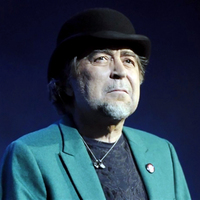
Joaquín Sabina
Joaquín Ramón Martínez Sabina (Úbeda, Jaén, Spain, 12 February 1949), known artistically as Joaquín Sabina, is a singer - songwriter, and poet. He has released fourteen studio albums, two live albums, and three compilation albums. He has collaborated and composed songs for Ana Belén and Miguel Ríos amongst others. Joaquín Sabina, is the second son of Adela Sabina del Campo and Jerónimo Martinez Gallego, which was a policeman. He attended a Carmelite primary school and he started writing his firsts poems and composing music at 14 years old. He was part of a band called Merry Youngs which imitated singers such as Elvis Presley, Chuck Berry or Little Richard. In 1968 he enrolled in the University of Granada, but went into exile in London, using a fake passport, to avoid Francisco Franco's persecution. In London, he collaborated with other young artists in theater and cultural events. In 1975, he started composing songs and singing at local bars. When the dictatorship ended in 1977 he returned to Spain and enrolled in the military. In 1978 his first album, Inventario (Inventory), debuted with the number-one hit single Pongamos que hablo de Madrid (Let's say I'm talking about Madrid). Afterwards, he released Malas compañías (The Wrong Crowd) and a live album called La mandrágora (The Mandragora), which caused much controversy due to the racy content of its lyrics. Spain was just coming out of the dictatorship, and Sabina's favorite topics have always been deemed "morally inappropriate" by some: the homeless, prostitutes, drunks, and Robin Hood-styled thieves. He is very much anti-stablishment. In 1983 he released Ruleta Rusa (Russian Roulette) and two years later, Juez y parte (Judge and Jury). His political views led him to take part in the anti-NATO movement. He later published Joaquín Sabina y Viceversa. In 1987 he released Hotel, dulce hotel (Hotel, Sweet Hotel), which sold a large number of records in Spain. That success followed with his next album El hombre del traje gris (The Man in The Gray Suit), and followed with a successful tour of South America. In 1990 he released Mentiras piadosas (White Lies) and two years later Física y química (Physics and Chemistry), which led to another successful tour of the Americas. His later albums Esta boca es mía (These Lips are Mine), Yo, mi, me contigo (I, Me, With You) and 19 días y 500 noches (19 Days and 500 Nights), won him recognition and multiple platinum albums. After recovering from a stroke, he returned to the stage in 2002 with Dímelo en la calle (Let's Take It Outside). He later released a double album called Diario de un peatón (Diary of A Pedestrian), which included both his previous album and 12 new songs, along with a book illustrated by him. In 2005 his new record Alivio de luto (Mourning Relief), put him in track to being one of the biggest names in Spanish musical stardom. The album comes with a DVD that includes interviews, music videos, acoustic versions of the songs and some home-made recordings.
Biography from Last.fm, available under CC BY-SA.
Country: ES
Gender: Male
Albums
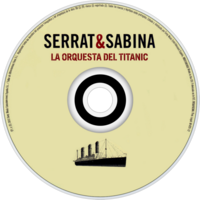 La orquesta del Titanic2012
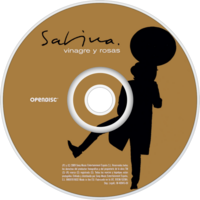 Vinagre y rosas2009
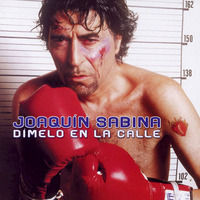 Dímelo en la calle2002
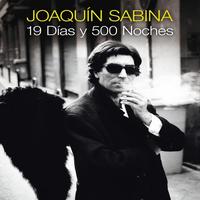 19 días y 500 noches1999
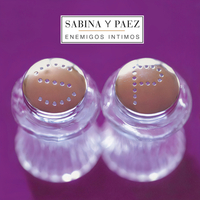 Enemigos íntimos1998
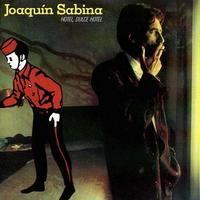 Hotel, dulce hotel1987
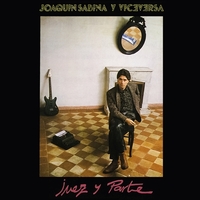 Juez y parte1985
 Sintiéndolo mucho (Un viaje musical por la película documental de Fernando León de Aranoa)2022Contigo2020Sabina 702019Lo niego todo: En directo2018Joaquín y amigos2017Lo niego todo201714 de ciento volando de 142016500 noches para una crisis: En directo2015El símbolo y el cuate2014Serrat & Sabina en el Luna Park2012Buenas compañías2011Dos pájaros de un tiro2007Punto... (1980-1990)2006…y seguido (1992-2005)2006Alivio de luto2005Diario de un peatón2003Concierto Salamanca2002Nos sobran los motivos2001Juana la Loca2000Yo, mí, me, contigo1996Esta boca es mía1994Física y química1992Mentiras piadosas1990El hombre del traje gris1988Pongamos que hablo de Madrid1987En directo1986Ruleta rusa1984La mandrágora1981Malas compañías1980Inventario1978Sabina y algo más