
Paulinho da Viola
Paulinho da Viola (born Paulo César Batista de Faria on November 12, 1942) is a Brazilian guitar, cavaquinho and bandolin player, known for his sophisticated harmonies and soft, gentle singing voice. Born in Rio de Janeiro to a family deeply rooted in the samba tradition, Paulinho met and befriended much of Rio's samba elite as a child. His father was a guitar player and musicians like Pixinguinha and Jacob do Bandolim would often come to his house for rehearsals, which Paulinho watched for hours on end. After the rehearsals, Paulinho would pick up his father's guitar and strum the few chords he knew. Later, as a teenager, he was frequently seen at jams at Jacob do Bandolim's house, quietly and attentively observing the older, more experienced musicians. He began writing his own songs as a teenager, but never considered a career as a professional musician until he met poet Hermínio Bello de Carvalho in 1964. By then, Paulinho was working as a teller at a bank in Rio de Janeiro, and recognised Hermínio from the jam sessions at Jacob do Bandolim's house. The two became close friends and soon began writing music together. The first song they wrote together was Duvide-o-dó, recorded by singer Isaurinha Garcia. He then began performing his own songs at a restaurant in Rio, owned by samba legend Cartola and his wife. He got his famous nickname in 1965, when he was a member of the samba group A Voz do Morro (the voice of the hills), alongside Zé Keti and Oscar Bigode. After their first recording session, a publicist from the record label reportedly told him "'Paulo César' is not a samba name!". Zé Keti and journalist Sérgio Cabral eventually came up with the nickname "Paulinho da Viola" (something to the lines of "Guitar Paul"). By the 1970s, Paulinho was at the most prolific stage of his career, releasing an average of one album per year. He was already a household name in samba, choro and MPB circles and broadened his audience by touring all over Brazil and also playing at festivals in Europe and the USA. His productivity and popularity had waned by the mid-80s, when he decided to focus more on his songwriting. In 1996 he regained notoriety after releasing the much-acclaimed album Bebadosamba, in which he once again joined forces with Hermínio Bello de Carvalho and Elton Medeiros, his early songwriting partners. He still lives in Rio de Janeiro and performs around Brazil.
Biography from Last.fm, available under CC BY-SA.
Country: BR
Gender: Male
Albums
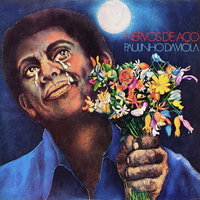 Nervos de Aço1973
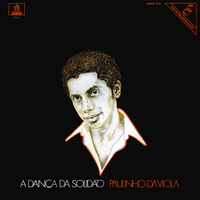 A dança da solidão1972
 Paulinho da Viola 80 anos (Ao Vivo)2025Sempre Se Pode Sonhar2020Coração Leviano2009Acústico MTV2007Bis - Paulinho Da Viola2006Bis2005Bebadachama2004Meu Tempo é Hoje2003Timoneiro2002Portrait2000Sinal aberto1999Raízes Do Samba: Paulinho Da Viola1999O Essencial de Paulinho da Viola1999Meus Momentos1999Bebadosamba1996Eu canto samba1996Prisma Luminoso1983A Toda Hora Rola Uma História1982Paulinho da Viola1981Zumbido1979Paulinho da Viola1978Memórias Cantando1976Memórias Chorando1976Paulinho da Viola1975Paulinho da Viola1971Paulinho da Viola1971Foi Um Rio Que Passou Em Minha Vida1970Paulinho da Viola1968Samba na madrugadaO Talento de Paulinho da ViolaPreferência NacionalO essencial de Paulinho da Viola