The Moody Blues
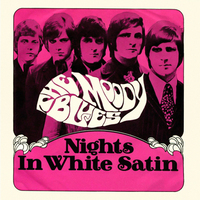
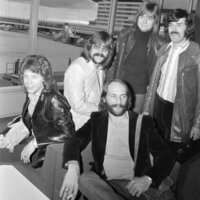
The Moody Blues was an English rock band formed in Erdington, Warwickshire in 1964, initially consisting of keyboardist Mike Pinder (died 2024), multi-instrumentalist Ray Thomas (died 2018), guitarist Denny Laine (died 2023), drummer Graeme Edge (died 2021), and bassist Clint Warwick (died 2004). The band came to prominence with the UK No. 1 and US Top 10 single "Go Now" in late 1964/early 1965 and subsequently embraced the psychedelic rock movement of the late 1960s with their 1967 album "Days of Future Passed" that established the band as pioneers in the development of art rock and progressive rock. The band was inducted into the Rock and Roll Hall of Fame in 2018. The band began by playing rhythm and blues music. After some early lineup changes, the band settled on a line-up of Pinder, Thomas, Edge, guitarist Justin Hayward and bassist John Lodge, which would stay together for most of the band's "classic era" through the late 1960s-early 1970s. Their second album, "Days of Future Passed", released in 1967, was a fusion of rock with classical music and established the band as pioneers in the development of art rock and progressive rock. Days Of Future Passed has been described as a "landmark" and "one of the first successful concept albums". The Moody Blues became known internationally by recordings of songs including "Go Now", "Nights in White Satin", "Tuesday Afternoon", "Question" and "Your Wildest Dreams". The band has been awarded 18 platinum and gold LP’s. The band sold 70 million albums worldwide. The Moody Blues were inducted into the Rock and Roll Hall of Fame in 2018. The Moody Blues formed in 1964 in Erdington, a suburb of Birmingham in the county of Warwickshire. Ray Thomas, a young John Lodge and (occasionally) Mike Pinder had been members of El Riot & the Rebels. They disbanded when Lodge, the youngest member, went to technical college and Pinder joined the army. Pinder then rejoined Thomas to form the Krew Cats. Back from a disappointing spell in the Hamburg region a few months later, the pair recruited guitarist/vocalist Denny Laine and band manager-turned-drummer Graeme Edge. Pinder and Thomas initially approached their former El Riot bandmate John Lodge about being the bass player, but Lodge declined as he was still in college. They instead recruited bassist Clint Warwick. The five appeared as the Moody Blues for the first time in Birmingham in 1964. The name developed from a hoped-for sponsorship from the M&B Brewery which failed to materialise, the band calling themselves both "The M Bs" and "The M B Five", and was also a subtle reference to the Duke Ellington song "Mood Indigo". In an interview it was revealed that the band was named "Moody Blues" because Mike Pinder was interested in how music changes people's moods and due to the fact that the band was playing blues at the time. Around this time the band were the resident group at the Carlton Ballroom, later to become rock music venue Mothers on Erdington High Street. The Moody Blues' "rich symphonic sound" influenced groups such as Yes, Genesis, the Electric Light Orchestra and Deep Purple. They also helped make synthesizers and philosophy "part of the rock mainstream". The Moody Blues became members of the Vocal Group Hall of Fame. In 2013, readers of Rolling Stone Magazine voted for them as one of the ten bands that should be inducted into the Rock and Roll Hall of Fame. Ultimate Classic Rock called them "perennial victims of an unaccountable snubbing" and inducted them into its own Hall of Fame in 2014. Writing for The Guardian in 2015, Rob Chapman described the band as "psychedelia's forgotten heroes". He stated: "Despite their success, rock critics rarely took the Moody Blues seriously, a pattern that continued for the next 45 years." He also wrote: "Despite the critical disapproval, the best of the Moody Blues music between 1967 and 1970 possessed grace and beauty. Like The Beatles, they understood how pop songs worked as ensemble pieces. None of them were particularly virtuosic or showy as musicians and their music is refreshingly free of the noodling longeurs that characterised the output of their more self-indulgent contemporaries." In December 2017, the band were announced as inductees for the Rock and Roll Hall of Fame. On 14 April 2018, they were inducted as part of the 2018 class. During his acceptance speech in Cleveland, OH, Justin Hayward said, "If you didn't know already, well we're just a bunch of British guys, but of course to us and to all British musicians, this is the home of our heroes and we all know that..." acknowledging the inspirational role of America's rock and roll icons. During the ceremony, Ray Thomas was included as a star that was lost in the past year. On 11th November 2021 Graeme Edge died. Upon Edge's death, Justin Hayward announced that The Moody Blues had no longer been active since Edge had retired in 2018 (Edge being the only member to remain with the band from formation to ending). Founding member Denny Laine died on 5 December 2023.
Biography from Last.fm, available under CC BY-SA.
Country: GB
Deathdate: 2018
Is Living: No
Members
 Shaun MurphyFormer (1988–1990)Patrick MorazFormer (1978–1991)Guy AllisonFormer (1987–1990)Bekka BramlettFormer (1990–1990)Justin HaywardFormer (1966–2018)Bias BoshellFormer (1990–2001)
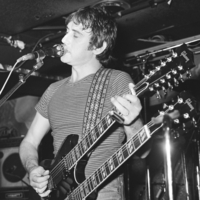 Denny LaineClint WarwickFormer (1964–1966)Mike PinderFormer (1964–1979)Ray ThomasFormer (1964–2002)Graeme EdgeFormer (1964–2018)Rodney ClarkFormer (1966–1966)John LodgeJanis LiebhartFormer (1986–1987)Wendy McKenzieFormer (1986–1987)Naomi StarFormer (1988–1990)Terry WoodFormer (1990–1990)Paul BlissFormer (1990–2010)Gordon MarshallFormer (1990–2018)June BoyceFormer (1991–1993)Susan ShattockFormer (1991–2000)Tracy GrahamFormer (1993–2001)Bernie BarlowFormer (2009–2010)Norda MullenFormer (2003–2018)Julie RaginsFormer (2006–2018)Alan HewittFormer (2010–2018)
Albums
 Timeless Flight2013
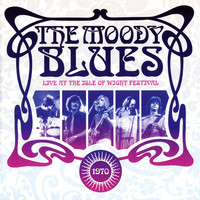 Live at the Isle of Wight Festival 19702008
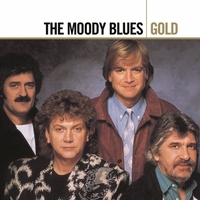 Gold2005
 December2003
 Strange Times1999
 The Best of the Moody Blues1996
 A Night at Red Rocks1993
 Keys of the Kingdom1991
 Sur la mer1988
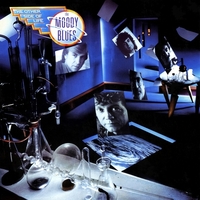 The Other Side of Life1986
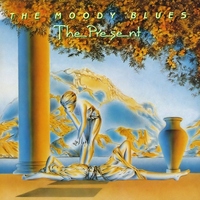 The Present1983
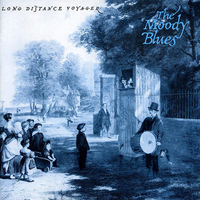 Long Distance Voyager1981
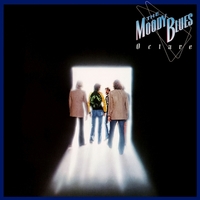 Octave1978
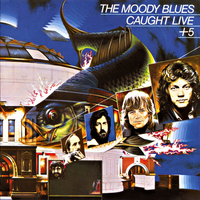 Caught Live +51977
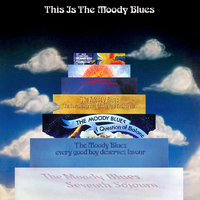 This Is The Moody Blues1974
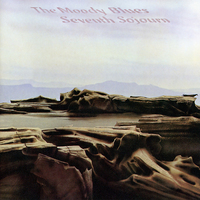 Seventh Sojourn1972
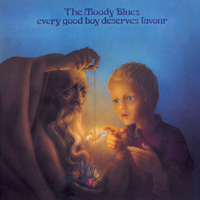 Every Good Boy Deserves Favour1971
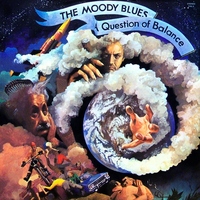 A Question of Balance1970
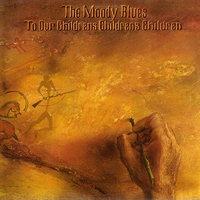 To Our Children’s Children’s Children1969
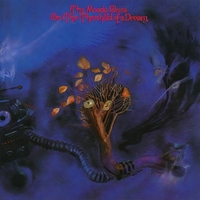 On the Threshold of a Dream1969
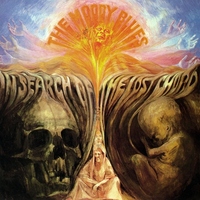 In Search of the Lost Chord1968
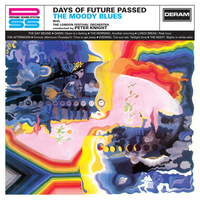 Days of Future Passed1967
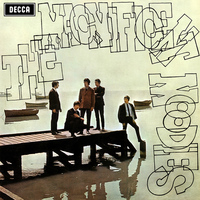 The Magnificent Moodies1965
 The Best Way to Travel2020Nights in White Satin2020In Concert2020Live at Montreux 19912018Days of Future Passed Live2018Nights in White Satin: Essential Moody Blues2017The Polydor Years 1986–19922014Timeless Flight2013Timeless Flight2013ICON2012Icon2011Live at the BBC: 1967–19702007Collected2007Lovely to See You: Live2005Ballads2003Beat Survivors20022002-10-18: Ruth Eckerd Hall, Fort Lauderdale, Florida2002The Singles+2000Melancholy Men2000The Moody Blues1998Concert at Pine Knob: June 19th, 19981998In Words & Music1997Greatest Hits & More1996Starlight Sojourn1995Time Traveller1994Christmas On The BBC 19691990Journey Through Time1990Blue1989In Search of the Lost Song1989Early Blues1985A Dream1976First Hits1979-05-25: Seattle Center Coliseum1973-xx-xx: Eternity Road - Live on Stage in the early '70's1984-07-13: Live at Boston Common1970-12-08: McFarlin Auditorium, Dallas Texas1986-07-26: The Other Side of Life Tour - Blossom Music Ctr, Cleveland, Ohio1970-06-23: Fillmore East, New YorkThis is the Quadraphonic Moody Blues