
Hugo Montenegro
Hugo Montenegro (September 2, 1925 - February 6, 1981) was an American orchestra leader and composer of film soundtracks. Hugo Mario Montenegro was born in New York City in 1925. He served in the U.S. Navy for two years, mostly as an arranger for the Newport Naval Base band in Newport, Rhode Island. After the war he attended Manhattan College while studying composition and leading his own band for school dances. In the middle 1950s, he was directing, conducting, and arranging the orchestra for Eliot Glen and Irving Spice on their Dragon and Caprice labels. It was he who was directing the Glen-Spice Orchestra on Dion DiMucci's first release when Dion was backed by Dragon recording artists, the Timberlanes. Released on Mohawk #105 in 1957, the songs were "Out In Colorado" and "The Chosen Few", which were soon issued on the Jubliee label for better distribution. He was later hired by Time Records as a musical director producing a series of albums for the label, and moved to Los Angeles in the early 1960s where he began working for RCA records, producing a series of albums and soundtracks for motion pictures and television themes, such as two volumes of Music From The Man From U.N.C.L.E., an album of cover versions of spy music themes Come Spy With Me and an album of cover versions of the Clint Eastwood The Man With No Name series of spaghetti westerns that led to major chart hits. Montenegro began scoring motion pictures with the instrumental music from Advance to the Rear in 1964. Following the success of his albums, he was contracted by Columbia Pictures where he did such films as Hurry Sundown (film) and two Matt Helm pictures. Montenegro was also contracted to Coumbia's television production company Screen Gems where he is most famous for his theme from the second season of the television series I Dream of Jeannie, his theme song "Seattle" and music from Here Come the Brides and The Outcasts. During the mid‑60s he started producing some of the most renowned works from the space age pop era, featuring electronics and rock in albums such as Moog Power and Mammy Blue. Montenegro's electronic works were decisive and influential for the future generations of electronic musicians, giving a retro/futuristic edge by the use of the Moog synthesizer, and helped to push its popularity.[citation needed] He will be also remembered by his versions of classics such as Ennio Morricone's The Good, the Bad, and the Ugly. In the late 1970s severe emphysema put an end to his musical career, and he died of the disease in 1981.
Biography from Last.fm, available under CC BY-SA.
Country: US
Deathdate: 1981-02-06
Gender: Male
Is Living: No
Albums
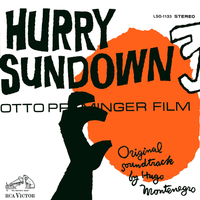 Hurry Sundown1967
 Joe's Tango: Concerto for Trombone & Other Works2023Rocket Man & Mammy Blue2017The Godfather / A Fistful of Dollars2016Hugo in Wonder‐Land / Neil’s Diamonds2016Others by Brothers / Scenes and Themes2016The Comancheros / North to Alaska / The Undefeated2013Mr. Groovy2008The Undefeated / Hombre2000The Best of Hugo Montenegro2000Movie Classics: The Music of Ennio Morricone and Hugo Montenegro1996The Good, The Bad & The Ugly1992Rocket Man1975Others by Brothers1975Hugo in Wonder-Land1974Love Theme From ‘The Godfather’1972Mammy Blue1971Viva Max!1970Los colores del amor1970Moog Power1969Good Vibrations1969Lady in Cement1968Magnificent Hugo Montenegro!1968The 20th Century Strings1960