
Maria Bethânia
Maria Bethânia Viana Teles Veloso (June 18, 1946, Santo Amaro da Purificação, Bahia, Brazil), professionally known as Maria Bethânia, is a Brazilian singer and occasional poet and songwriter, having acquired the title of "Abelha Rainha" (Queen Bee) throughout her career. She is the second best selling Brazilian female singer of all time, with more than 24 million albums sold, considered to be one of the greatest interpreters in the history of Brazilian popular music. Sister of the also popular and renowned singer and composer Caetano Veloso, she began her artistic career in 1963, appearing in the play "Boca de Ouro" by Nelson Rodrigues. A song about the play was written by Caetano Veloso, who opened the show singing a samba track by Ataulfo Alves. That year she met Gilberto Gil, Gal Costa, Tom Zé, Djalma Correa, Pitti, Alcivando Luz and Fernando Lona in Salvador, with whom she performed at the commemorations inaugurating the Vila Velha de Salvador theatre in 1964 in the shows "Nós por exemplo" and "Nova bossa velha, velha bossa nova". In 1964 she also appeared in "Mora na Filosofia", her first solo show, when she met Nara Leão. As 1965 she replaced the muse of bossa nova in the show at Teatro Opinião (Rio de Janeiro), sharing the stage with Zé Kéti and João do Vale. She stood out for her stirring interpretation of the song "Carcará". In 1965 she also recorded her first record, a single containing the tracks "Carcará" and "É de manhã", the first recording of Caetano Veloso’s composition. That same year she released a double single with the songs "Carcará", "No carnaval", "Mora na filosofia" and "Só eu sei", followed by her debut album "Maria Bethânia" and the record "Maria Bethânia canta Noel Rosa". That year she also performed in the show Arena canta Bahia, directed by Augusto Boal, alongside Gal, Gil, Caetano, Pitti and Tom Zé. Also under the direction of Boal, the same group performed the show Tempo de Guerra. In 1996 she shared the stage of Teatro Opinião with Vinícius de Moraes and Gilberto Gil, presenting the show "Pois é". In 1967 she released the album "Edu & Bethânia" with Edu Lobo. She appeared in the shows "Yes, nós temos Maria Bethânia" (Bolso theatre, Rio de Janeiro) and "Comigo me desavim" (Miguel Lemos theatre, Rio de Janeiro) and "Brasileiro profissão esperança", by Paulo Pontes, directed by Bibi Ferreira, at the Casa Grande theatre (Rio de Janeiro). In 1971 she recorded the album "A tua presença", which was praised by the select critics. In 1971 the show "Rosa dos ventos" premiered at Teatro da Praia (Rio de Janeiro), directed by Fauzi Arap and she released the album of the same name. In 1972 she appeared alongside Chico Buarque and Nara Leão in the film "Quando o carnaval chegar" by Cacá Diegues. After another trip to Europe, she launched the album "Drama - anjo exterminado" also that year. In 1973 the show Drama, luz da noite premiered at Teatro da Praia, directed by Antônio Bivar and Isabel Câmara, from which arose the record "Luz da noite". The following year she commemorated ten years in the music business with the show "A cena muda", directed by Fauzi Arap, at the Casa Grande Theatre (Rio de Janeiro). The show led to a live record of the same name. In 1975 she performed a lengthy season with Chico Buarque at the Canecão (Rio de Janeiro). In 1976 she recorded the album "Pássaro proibido" which earned her first gold record. Also that year she got together with Caetano, Gil and Gal, forming the group Os Doces Bárbaros. In 1977 she released the album "Pássaro da manhã", for which she received the second gold record of her career. That year she was considered one of the bestselling singers in Brazil, which opened new doors in the record industry. In 1978 she starred in the show "Maria Bethânia e Caetano Veloso ao vivo" alongside her brother. Also that year the album "Álibi" was released, which earned her third gold disk. In 1979 she recorded the album "Mel". She released a series of records in the following decades: "Alteza" (81), "Maria" (88), "Memória da pele" (89), "Olho d’água" (92), "As canções que você fez pra mim" (93), only recording records by Roberto and Erasmo Carlos Âmbar (96), "Imitação da vida" (97) and "A força que nunca seca" (99). In 1994 she performed alongside Caetano Veloso, Gal Costa and Gilberto Gil, in the show "Doces Bárbaros na Mangueira", reference to the tribute made to them by this samba school, with the theme "Atrás da verde e rosa só não vai quem já morreu". In 2000, she recorded limited-edition album "Cânticos, preces, súplicas à Senhora dos Jardins do Céu". In 2001, she recorded the album "Maricotinha", containing the tracks "Moça do sonho" (Edu Lobo and Chico Buarque), from the musical "Cambaio, Primavera" (Carlos Lyra and Vinícius de Moraes), "Quando você não está aqui" (Herbert Vianna and Paulo Sérgio Valle), "Antes que amanheça" (Chico César and Carlos Rennó) and "Se eu morresse de saudade" (Gilberto Gil), among others, in addition to the title track, by Dorival Caymmi. She released the record a special show at the Canecão (Rio de Janeiro). The show included appearances by Caetano Veloso, Carlos Lyra, Chico Buarque, Nana e Danilo Caymmi, Adriana Calcanhoto and Gilberto Gil, among other artists. Also in 2001, in commemoration of her 35 years in the music business, she returned to the Canecão in the show "Maricotinha", which led to the double album "Maricotinha ao vivo". On December 8 that same year, she performed before 100,000 people on Copacabana beach alongside Caetano Veloso, Gilberto Gil and Gal Costa in the show "Doces Bárbaros", which concluded the project Pão Music. In 2003 the show presented in 2001 at the Canecão was released on the DVD "Maricotinha ao vivo", directed by André Horta. In 2003 she was also nominated for the Multishow Award in the categories Best Show and Best Album for "Maricotinha ao vivo". Also that year she created her own label, Quitanda, in partnership with record company Biscoito Fino, inaugurated the company by releasing the album "Brasileirinho", containing songs about religion and Brazil, with guest appearances by Nana Caymmi, Miúcha, Denise Stoklos and Ferreira Gullar, in addition to the groups Tira Poeira and Uakti, and the album "Vozes da Purificação", the first song recorded by Dona Edith do Prato. In 2004 she received the Tim Award in the categories Best Singer, Best Record and best visual MPB project, the Rival BR Award in the category Best Album, and the Academia Brasileira de Letras Award in the category Best Singer, in addition to being nominated for the Latin Grammy. That same year she produced and appeared as a singer alongside other artists on the album "Namorando a Rosa", a tribute record to violinist Rosinha de Valença, released by her Quitanda label. In 2005 she released the album Que falta você me faz, recording works by Vincius de Moraes, in partnership with Tom Jobim, Chico Buarque, Carlos Lyra, Baden Powell, Toquinho, Adoniran Barbosa and Jards Macalé. That same year she appeared at Canecão (Rio de Janeiro) in the show "Tempo Tempo Tempo Tempo - Uma homenagem a Vinícius de Moraes". In 2005 she also received the Golden Music Dolphin Award from the Rio de Janeiro State Culture Council.
Biography from Last.fm, available under CC BY-SA.
Country: BR
Gender: Female
Albums
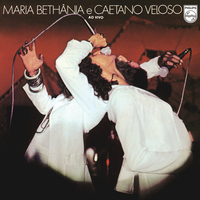 Maria Bethânia e Caetano Veloso: Ao vivo1978
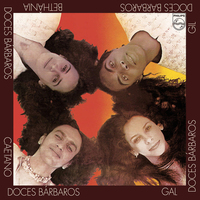 Doces bárbaros1976
 Chico Buarque & Maria Bethânia: Ao vivo1975
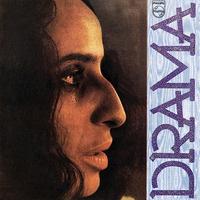 Drama1972
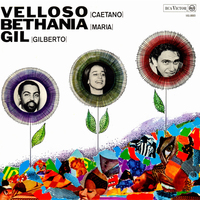 Velloso |Caetano|, Bethania |Maria| & Gil |Gilberto|1968
 Noturno2021Mangueira, A Menina Dos Meus Olhos2019De Santo Amaro a Xerém2018Abraçar e agradecer (ao vivo)2016(O Vento Lá Fora)2014Meus Quintais2014Carta de Amor (Ao Vivo)2013Carta de Amor Ato 12013Noite Luzidia Vol. 22013Noite Luzidia Vol. 12013Tua2013Noite Luzidia2012Oásis de Bethânia2012Anos 80/902011Anos 702011Amor Festa Devoção2010Encanteria2009Omara Portuondo e Maria Bethânia2008Dentro do mar tem rio - Ao vivo2007Bethânia Favourites 1971 - 19792007Nova Bis2006Maria Bethânia2006Mar de Sophia2006Pirata2006Canta Noel Rosa E Outras Raridades2006Tempo, Tempo, Tempo, Tempo2005Novo Millennium2005Que falta você me faz: músicas de Vinicius de Moraes2005Que Falta Você Me Faz2005Antologia 73/972004Perfil2004Brasileirinho Ao Vivo20042 em 1: Maria Bethânia/Maria Bethânia ao Vivo2003The Definitive Collection2003The Essential2003Brasileirinho2003Cânticos, Preces, Súplicas À Senhora dos Jardins Do Céu2003Maricotinha ao vivo2002Romântica2002Eu vim da Bahia2002Sonhos Impossivel2002Maricotinha2001BIS2000Brazil2000Brincar De Viver1999A Força Que Nunca Seca1999Imitação da vida1998Diamante verdadeiro: ao vivo1998Millennium1998MPB No JT 71997Âmbar1996Coleção obras-primas1996Série Aplauso1995Ao vivo1995Minha Historia1995As canções que você fez pra mim1993Las Canciones Que Hiciste Para Mi1993Sonho impossível1992Olho d'Água1992Canto Do Paje - Song of the Shaman1991Caetano, Gal, Gil & Bethânia1990Maria Bethânia – 25 Anos1990Anos Dourados1989Memoria da Pele1989O Melhor De Maria Bethânia1989Maria1988A arte de Maria Bethânia1988Personalidade1987Dezembros1986A Beira e o mar1984“Ciclo”1983Nossos Momentos1982Alteza1981Brasil1981Talismã1980Mel1979Álibi1978Pássaro da Manhã1977Pássaro proibido1976A cena muda1974Drama 3º Ato "Luz Da Noite"1973Quando o carnaval chegar1972Rosa dos Ventos - O Show Encantado1971A tua presença...1971Vinicius + Bethânia + Toquinho1971Maria Bethânia Ao Vivo1970Recital na Boite Barroco1968Edu e Bethania1966Maria Bethânia1965Simplesmente O Melhor De Maria BethâniaCantam Gonzaguinha